
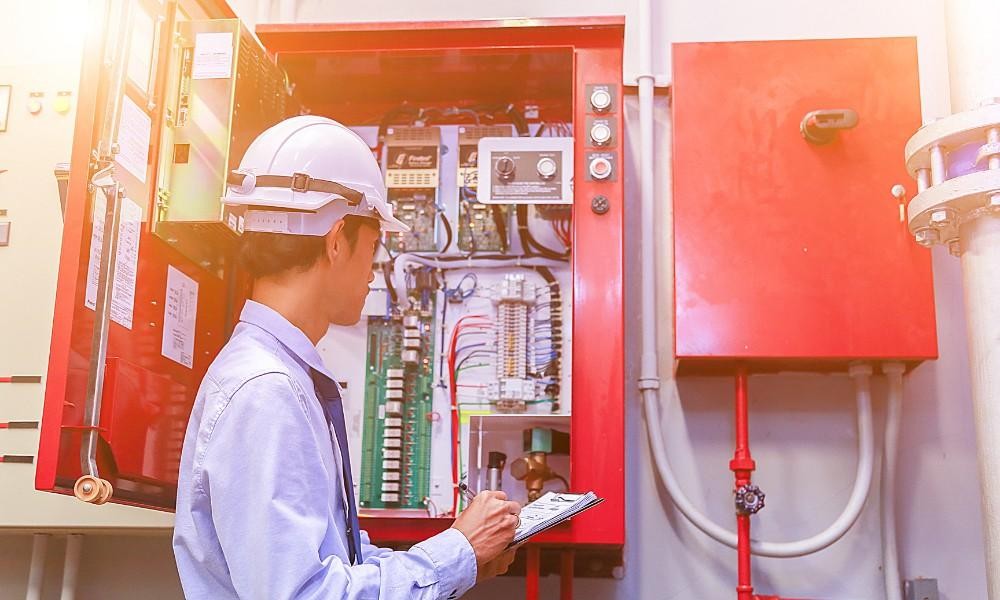

People rarely think about emergency alarms during ordinary days. Families settle into evening routines, employees focus on deadlines, and customers move through buildings without noticing the systems attached to ceilings or walls around them. That normal routine usually continues until somebody hears about smoke spreading through another property or an electrical issue causing sudden evacuations nearby. After conversations about unexpected emergencies begin circulating, many property owners start searching learn more because safety preparation suddenly feels much more urgent once real situations start sounding less distant.
Emergency Coverage Depends on Building Layout
Every property creates different challenges for emergency response systems. Narrow hallways, storage rooms, crowded offices, and separate entrances all affect how quickly warnings reach people during stressful moments.Larger business properties often require stronger alarm coverage since employees and visitors may remain spread across different sections of the building at the same time.
Delayed Repairs Often Create Bigger Concerns
Blurry emergency lights, delayed alarm testing, loose electrical connections, or damaged sensors sometimes continue unnoticed because daily operations still seem completely normal.
Busy schedules make those smaller concerns easier to ignore for longer than intended. Property owners already handling maintenance costs and staffing issues may postpone inspections while assuming everything remains dependable enough for another year.
- Control panel condition
- Emergency power supply
- Heat detector accuracy
- Alarm communication speed
- Exit pathway visibility
- Sensor cleaning schedules
Faster Warnings Improve Response Times
Emergency systems help people react sooner before dangerous situations spread farther through homes or workplaces. Early alerts usually matter because smoke, electrical fires, and visibility problems can become harder to manage within minutes.
Home security systems and business security systems often work better once alarms, emergency lighting, and communication tools learn more to support each other instead of operating separately.
People React Differently During Emergencies
Stress changes behaviour quickly once alarms interrupt normal routines. Certain individuals leave immediately while others hesitate because they feel unsure whether the warning signals real danger or another temporary issue.
Visitors unfamiliar with exits often slow evacuation even more because they stop searching for directions during crowded situations. Loud environments also create additional confusion once emergency communication becomes harder to hear clearly.
Older Equipment Can Create Hidden Risks
Emergency systems slowly weaken over time even when everything still appears functional from the outside. Dust accumulation, aging wiring, outdated detectors, or worn backup components sometimes continue operating poorly without obvious warning signs.
Routine inspections help identify those hidden concerns before dangers reveal them unexpectedly.
FAQ’S
Why do buildings need emergency alarm systems?
They help people react faster during dangerous situations.
Can fire alarms become less reliable over time?
Yes. Older equipment may weaken without inspections and maintenance.
Why is alarm coverage important?
Better coverage helps warnings reach more people quickly.
