
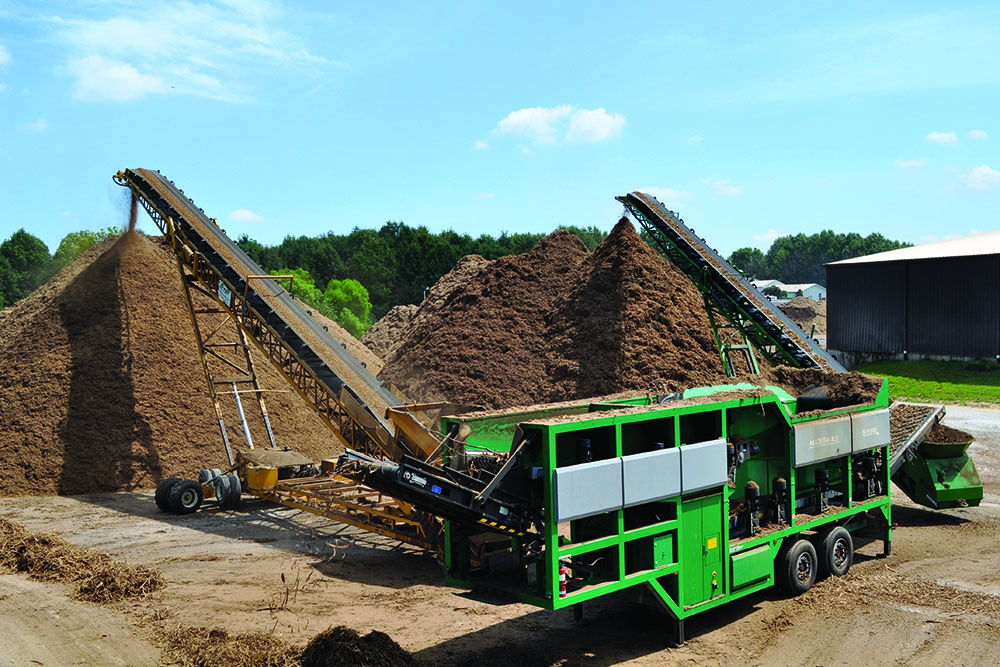

Selecting the right screening plant is a crucial decision for businesses in industries such as mining, construction, recycling, and agriculture. These plants are essential for sorting and grading materials based on size and other properties, ensuring that the final products meet quality standards and operational needs. This article will guide you through the critical factors to consider when evaluating a screening plant for sale, helping you make an informed decision that enhances your operational efficiency.
Introduction to Screening Plants
A screening plant is designed to separate and classify materials based on size, texture, and other characteristics. This process is fundamental in preparing materials for further processing or sale. The effectiveness of a screening plant directly impacts the quality of the output and the efficiency of the entire operation.
Core Components of a Screening Plant
- Feeding Mechanism: This is where the raw materials are introduced into the plant. A consistent and controlled feed ensures optimal performance of the screening process.
- Conveyor Belts: These transport the materials from one stage to another. Their speed and durability are vital for maintaining a smooth operation.
- Screens: The core of the plant, where separation happens. Different types of screens (vibrating, trommel, or static) are used depending on the material and the required precision.
- Output Systems: After screening, materials are sorted and sent to different locations or further processing steps.
Key Performance Indicators for Screening Plants
To ensure you select the best screening plant for sale, consider the following performance indicators:
Processing Capacity
- Volume Handling: Identify the maximum and minimum volume of material the plant can process efficiently. This ensures the plant can cope with your operational demands.
- Adjustability: The ability to adjust the processing speed and volume based on varying inputs is a sign of a versatile and robust plant.
Screening Accuracy
- Precision in Grading: High-quality screening ensures that the materials are sorted according to precise size specifications.
- Reduction of Waste: An efficient plant minimizes the loss of usable material, saving costs and improving output quality.
Material Versatility
- Handling Diverse Materials: A good screening plant can adapt to different types of materials, from dry sand to wet gravel.
- Customizable Features: Look for plants that offer adjustable settings to adapt to different material characteristics without extensive downtime.
Operational and Maintenance Considerations
- Ease of Maintenance: Quick and easy access to screens and other critical parts for cleaning and repairs is essential.
- Energy Efficiency: A plant that consumes less power without compromising performance can significantly reduce operational costs.
Choosing the Right Screening Plant for Sale
When you find a screening plant for sale, it’s crucial to assess not just the machinery but also the provider and the support offered.
Evaluating the Manufacturer’s Credibility
- Industry Reputation: Choose a manufacturer with a strong track record for reliability and quality.
- Support and Service: Ensure that the manufacturer provides excellent after-sales service, including spare parts availability and technical support.
Customization and Technological Integration
- Flexibility in Design: Some screening plants can be customized to fit specific operational needs, which can be a great advantage.
- Advanced Controls: Modern plants may include automated systems and digital monitoring to optimize performance and reduce manual labor.
Environmental and Safety Compliance
- Regulatory Adherence: Make sure the plant complies with local and international environmental standards.
- Safety Features: Adequate safety measures, such as emergency stops and protective guards, are essential for protecting your workforce.
Real-World Applications and Success Stories
To illustrate the impact of choosing the right screening plant, consider the following examples:
- Mining Operation: A mining company significantly increased its output by installing a high-capacity screening plant capable of handling varying ore grades and moisture levels.
- Construction Material Recycling: A recycling plant improved its profitability by using a multi-deck screening plant to separate construction debris into reusable aggregates.
- Agricultural Sorting: In the agriculture sector, a farm used a customized screening plant to efficiently sort and grade different types of grains and seeds, enhancing the quality of their products.
By understanding these factors and examining how others have successfully implemented screening plants, you can make a well-informed decision when considering a screening plant for sale. The right equipment can lead to significant improvements in your operation’s efficiency and profitability, ensuring long-term success.
