
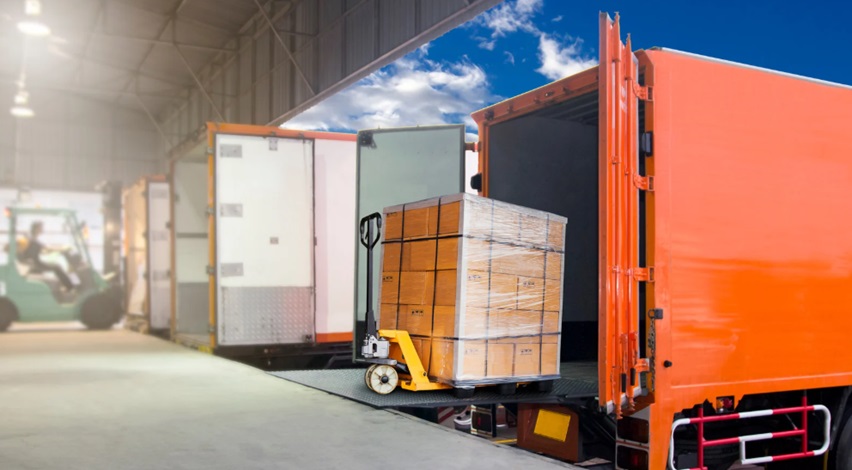

Efficient warehouse logistics play a critical role in cutting energy waste and optimizing operations. Unfortunately, energy inefficiencies in warehouses often go unnoticed, leading to high costs and environmental strain. Addressing these inefficiencies is vital for businesses looking to improve their overall logistics performance. Employing expert solutions and strategic practices can help minimize energy losses while maintaining productivity.
This article will explore practical steps you can take to enhance energy efficiency, focusing on professional strategies that deliver real results. From facility design to transportation, these methods can lead to sustainable improvement and streamlined operations.
Optimizing Warehouse Energy Use
Warehouse energy waste can result from poorly managed systems, outdated equipment, or insufficient planning. Tackling these issues requires a thorough assessment of the facility and its logistics framework.
Modernizing Facility Layout
An outdated warehouse layout can significantly hinder energy efficiency. Modern logistics designs emphasize flow and access, ensuring less time and energy is spent on internal movement. This includes restructuring storage zones, implementing organized shelving systems, and utilizing vertical storage. Streamlining the movement of goods within the facility reduces travel distances for forklifts and conveyors, cutting down on unnecessary energy consumption.
Additionally, upgrading insulation and lighting systems can generate significant energy savings. LED lighting, for instance, consumes less power and lasts longer than traditional bulbs, while advanced insulation maintains better temperature control, reducing the need for excessive heating or cooling. These seemingly small improvements can add up, making a noticeable difference in your warehouse’s energy efficiency.
Monitoring and Managing Energy Performance
Regular monitoring lays the groundwork for long-term energy optimization. Investing in advanced warehouse management systems (WMS) simplifies tracking energy usage across multiple areas, pinpointing areas of inefficiency.
Advanced Technology Integration
Energy-saving technologies such as smart meters and automated building systems are excellent tools for enhancing logistics operations. For example, smart thermostats can adjust temperatures based on occupancy, lowering energy waste during off-peak hours. Similarly, motion sensor lighting can ensure illumination is only provided as needed. These innovations are pivotal for improving operational efficiency and aligning with sustainable practices.
For facilities managing freight and transportation, integrating professional logistics services ensures not only enhanced energy management but also reduced costs. By adopting effective transportation strategies, businesses can reduce transportation costs with effective logistics solutions while maintaining high productivity and environmental responsibility.
Streamlining Transportation Logistics
Transportation is a major contributor to energy waste in warehouse logistics. Focusing on transportation strategies provides dual benefits of energy savings and cost reduction.
Efficient Route Planning
Professional logistics providers rely on advanced software to optimize delivery routes, fuel use, and travel time. By coordinating shipments and minimizing empty miles, businesses can significantly reduce energy waste and expenses. This approach aligns with streamlined supply chain practices, improving overall warehouse and transportation efficiency.
Additionally, ensuring that transportation vehicles are well-maintained can prevent excess fuel consumption. Tracking engine performance and scheduling timely repairs is a key aspect of optimizing logistics. Regular maintenance not only cuts down on energy waste but also enhances the lifespan of your fleet.
The Way Forward for Sustainable Logistics
Repairing energy waste in warehouse logistics requires more than surface-level changes. It takes a comprehensive approach that incorporates modern technologies, efficient facility layouts, and professional logistics solutions. Each of these strategies addresses different facets of energy efficiency, ensuring every step of the logistics process is optimized.
Conclusion
By prioritizing these measures, businesses can reduce their environmental impact, improve operational efficiency, and achieve cost savings. Professional services ensure implementation is seamless, delivering tangible results for businesses striving to enhance their logistics framework. Adopting these strategies now can lead to long-term savings and create a more sustainable logistics operation overall.
