
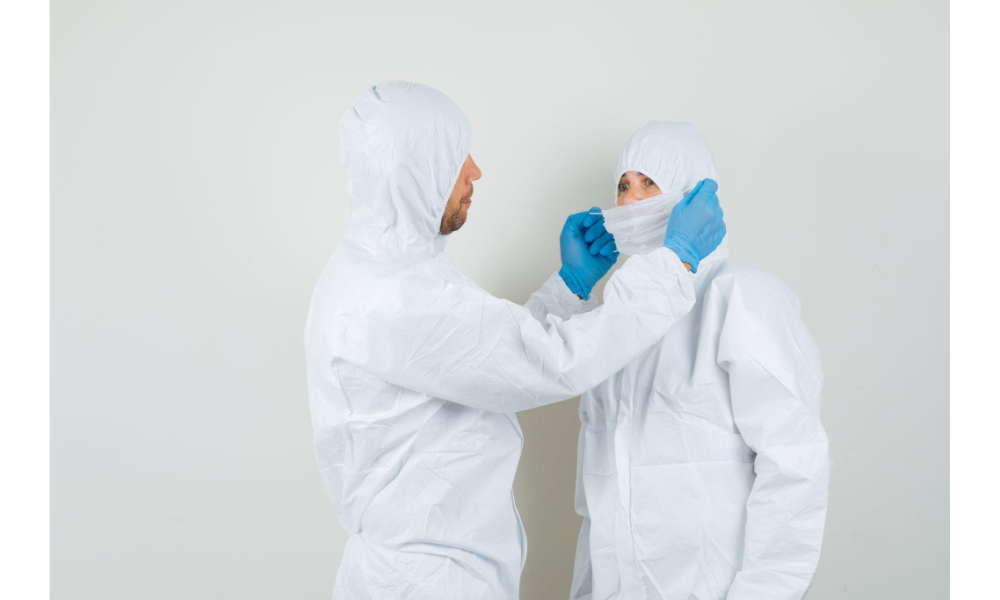

Personal protective equipment plays a quiet yet serious role in workplaces where exposure risks sit in plain sight. Hazmat suits exist to manage those risks through clear design choices, tested materials, and defined use cases. Each feature serves a purpose, even if it looks bulky or slightly awkward. Safety rarely aims for style, but a touch of humour helps when dressing like a walking marshmallow.
Chemical Exposure and Liquid Hazards
Chemical spills, splashes, and vapours form a primary reason for wearing full-body protection. Hazmat garments act as a physical barrier between skin and harmful substances such as acids, solvents, and industrial cleaning agents. Fabrics used in certified suits resist permeation for set durations based on laboratory testing standards.
Design elements focus on sealed seams, covered zips, and snug closures at wrists and ankles. Those details limit seepage during routine handling or unexpected contact. In controlled environments, hazmat suits and coveralls reduce direct exposure when working near open containers or during transfer processes. A reliable PPE supplier in Singapore typically provides material compatibility charts so teams select suits aligned with specific chemical profiles.
Biological Agents and Contamination Control
Microorganisms present risks that remain invisible to the naked eye. Hazmat suits create a protective envelope that blocks contact with bloodborne pathogens, bacteria, and viruses. Healthcare settings, laboratories, and waste treatment sites rely on garments that limit cross contamination.
Standards governing biological protection specify fabric density and resistance to liquid penetration. Proper donning and removal procedures also matter, since incorrect handling undermines the barrier. By reducing surface contact during high-risk tasks, hazmat suits and coveralls reinforce infection control protocols. Clear training and handling guidance help users apply protective measures correctly in real-world conditions.
Airborne Particles and Hazardous Dust
Some threats float rather than spill. Fine dust, fibres, and particulate matter pose inhalation and skin contact risks across construction, manufacturing, and remediation projects. Hazmat suits block particle settlement on clothing and skin, especially when paired with respiratory protection.
Suit designs used for particulate hazards focus on lightweight materials with tight weaves. Elastic seals prevent dust entry while allowing movement during long shifts. By keeping contaminants off everyday workwear in these scenarios, hazmat suits and coveralls reduce secondary exposure. Fit and comfort encourage consistent use, which directly affects protective value.
Thermal Risks and Heat-Related Contact
Heat exposure appears in environments involving molten materials, steam, or high-temperature surfaces. While hazmat suits do not replace fire-resistant clothing, certain designs include layers that limit heat transfer during brief contact. Protection aims to reduce injury severity, not invite prolonged exposure.
Material selection accounts for thermal resistance alongside chemical compatibility. Users receive guidance on exposure limits so suits serve their intended purpose. When selecting gear for heat-related tasks, a PPE supplier in Singapore can clarify which garments fit specific conditions and which require alternative protection. Clear information helps prevent misuse and false confidence.
Radioactive Materials and Controlled Environments
Radioactive workspaces demand strict contamination control. Hazmat suits protect against radioactive dust and surface contact while maintaining containment protocols. They do not shield radiation itself, yet they prevent particles from spreading beyond controlled zones.
Use cases include medical imaging facilities, research laboratories, and specialised maintenance tasks. Suit disposal procedures play a key role in overall safety management. Hazmat suits and coveralls help maintain clean boundaries between restricted areas and general spaces, keeping exposure contained and documented.
Industrial Accidents and Emergency Response
Unexpected incidents require rapid response with dependable gear. Hazmat suits assist emergency teams during spills, leaks, or transport accidents involving unknown substances. Standardised markings and colour coding help identify protection levels at a glance.
Emergency-rated suits undergo testing for durability under stress. Tear resistance, visibility, and compatibility with breathing apparatus influence selection. For emergency classifications, a PPE supplier in Singapore usually offers guidance so teams prepare equipment before incidents occur. Preparation saves time when every minute counts.
Practical Considerations in Suit Selection
Choosing protective gear involves matching hazards to certified performance levels. Labels and documentation outline resistance ratings, exposure durations, and disposal guidelines. Clear records aid compliance and training audits.
Comfort influences safety outcomes more than many expect. Breathable designs reduce heat stress and fatigue, encouraging consistent wear across shifts. Reliable hazmat suits and coveralls balance protection with usability, allowing workers to focus on tasks without distraction. Evidence from occupational safety reports consistently links proper fit with reduced incident rates.
Working With Trusted Safety Providers
Protective equipment functions within a wider safety system. Training, storage, and replacement schedules affect performance over time. Working with knowledgeable PPE suppliers in Singapore helps organisations maintain consistency across teams and job sites.
Suppliers provide access to certifications, usage guidance, and updates aligned with regulatory standards. Transparent documentation allows safety officers to verify suitability and maintain compliance without guesswork. The right partnership simplifies decision-making while keeping safety front and centre.
Managing Exposure Risks in Daily Operations
Hazmat suits address clear hazards through material science, tested design, and disciplined use. Protection works best when matched correctly to risks and supported by training and planning. From chemical handling to emergency response, each suit plays a defined role in keeping exposure controlled.
Contact SafetySam to discuss protective equipment options, usage guidance, and sourcing assistance that align with workplace safety requirements.
